
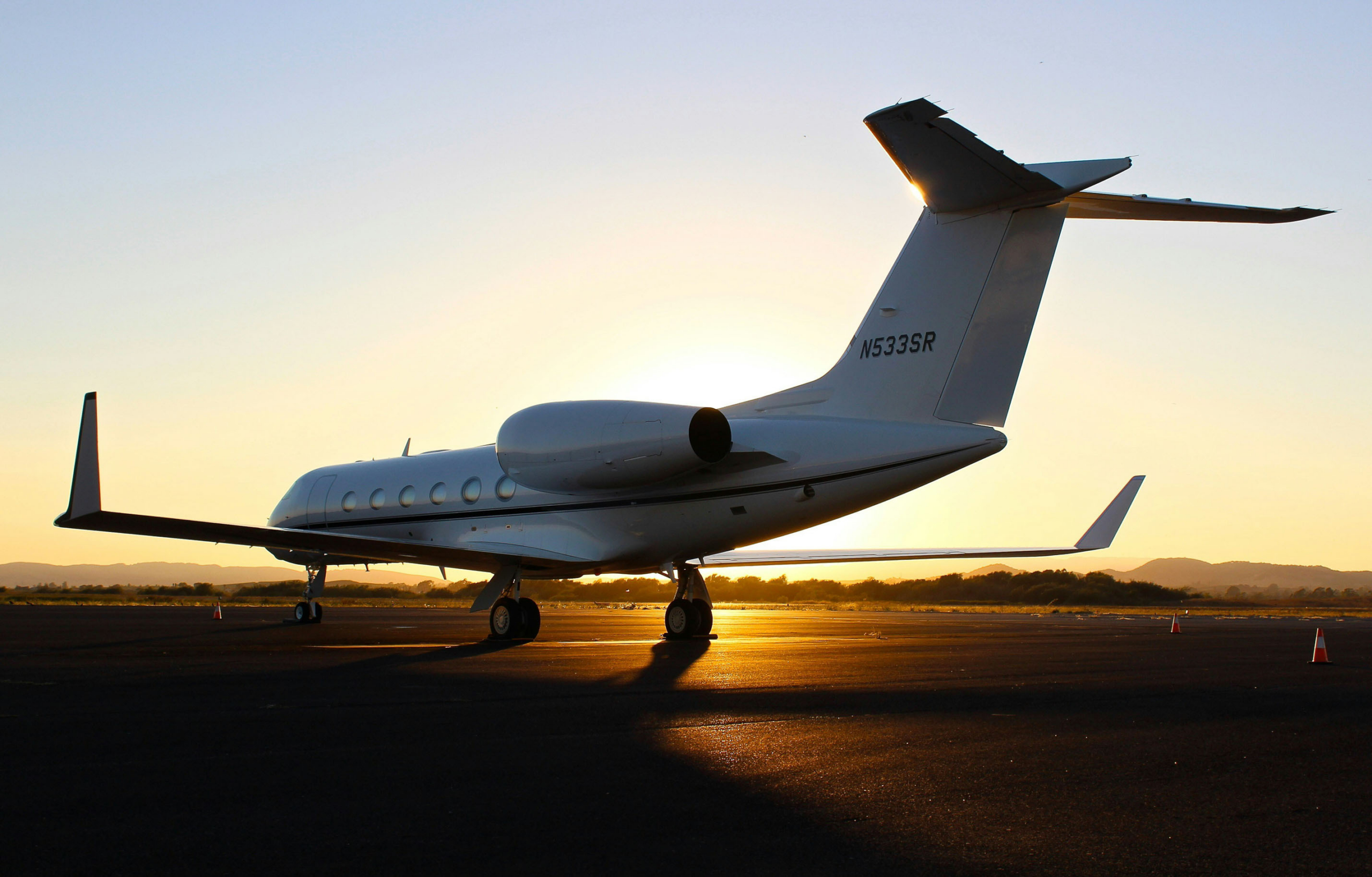
When most people imagine booking a private jet, they picture calling a company and getting a plane. Most private flights don’t work that way. They’re arranged through a private jet broker — someone who sits between the client and the aircraft operator, handling the sourcing, coordination, and communication that gets you from a phone call to wheels-up.
What that relationship actually looks like, and what separates a good broker from a bad one, changes how you evaluate every charter booking you’ll ever make.
What a broker actually does
A private jet broker does not own aircraft. They work with a network of FAA-certified operators who do. These companies hold Part 135 air carrier certificates that authorize them to fly private aircraft for hire.
The broker handles the search, the vetting, and the day-of coordination. When you submit a trip request, the broker pulls from their operator network, evaluates available aircraft against your requirements, confirms pricing and availability, and handles the booking from initial quote through day-of coordination.
The quality of that network is what separates one broker from another. A broker with strong operator relationships has more options, better pricing leverage, and a clearer read on which operators actually perform.
The operator and broker are not the same thing
This catches most first-time charter clients off guard. When you book through a broker, you fly with the operator they sourced the aircraft from. The broker handles your communication and coordination. The operator owns the aircraft and is responsible for the crew and flight.
That distinction matters more than most people booking charter flights expect. If a broker prioritizes cost over vetting, you may end up on an aircraft or with a crew that doesn’t meet the standards you assumed came with the price. The FAA does not require brokers to disclose which operator they’re using, or to perform any minimum level of due diligence on the operators in their network. That accountability falls on the broker, which means it effectively falls on you unless the broker has done the work.
Good brokers are transparent about this. They’ll tell you who’s operating your flight before you pay, explain how they vetted that operator, and give you a straight answer about why they’re recommending that particular aircraft for your trip.
What to ask before you book
A few questions will tell you a lot about a broker before you commit to anything.
Do you disclose the operator?
A reputable broker will tell you who is flying you before you pay. Vague answers or pushback on this question are worth paying attention to.
How do you vet the operators in your network?
Look for specifics: safety audit participation (Wyvern, ARGUS), certificate status verification, and incident history review. “Our standards are very high” is not a vetting process. A broker who can’t describe their process probably doesn’t have one.
Who is my point of contact if something changes the day of?
Weather delays, maintenance issues, last-minute scheduling changes — these things happen. Before you book, find out who you call when they do, and whether that person has the authority to act. A good broker sends a booking confirmation with that contact information clearly listed.
Have you booked this route before?
Familiarity with routes, airports, and seasonal conditions matters more than people expect. A broker who regularly operates in and out of smaller regional airports knows which FBOs have fuel availability constraints, which runways have size limitations, and where delays tend to stack. That institutional knowledge is hard to replicate from a first booking.
Is working with a broker more expensive than booking directly with an operator?
Not necessarily. Brokers often have access to aircraft and pricing that operators don’t list publicly, including empty leg flights, business jet availability, and off-market inventory. In some cases booking through a broker costs less than going direct. In most cases the difference is small, and the added coordination is worth the expense.
Can I just book directly with an operator?
You can, and some clients prefer it. The practical limitation is fleet size. A single operator has a fixed number of aircraft, and if nothing fits your trip on your date, you’re starting the search over. A broker with a broad network gives you more options without multiple phone calls.
How do I know if a broker is trustworthy?
Ask the questions above. A broker who answers them clearly, who your operator is, how they vet them, who you call day-of, has thought through these things. Deflection, generalities, or pressure to decide quickly are all red flags worth slowing down for.
How it works at Soar Jets
Soar Jets works as a broker. We don’t own the aircraft we book. What we do own is the operator network we’ve built, the relationships within it, and the judgment we bring when matching a trip to the right aircraft and crew.
When you come to us with a trip, we look at aircraft range, passenger count, airport suitability, and operator track record on similar routes. Price is part of that evaluation. Having an open aircraft on your date is the easy part. We’re asking whether that operator has performed well on routes like yours.
Once you’re booked, the day of your flight looks like this.
We’re reachable from your first question through landing. If something changes, you call the person who booked your trip.
The difference between a broker who sources the cheapest available option and one who sources the right one is often invisible until something goes wrong. Soar Jets would prefer you never need to learn that distinction firsthand.
Why it matters who you call
Private aviation works best when the person coordinating your flight has earned that role. Who that person is, and whether they’re the right broker for your trip, matters.
If you’re thinking through a trip or want to understand what the process looks like before committing to anything, we’re easy to reach. Call us at 1 (844) 966-SOAR or contact us.
