

Most people who charter a private jet for the first time say the same thing afterward: they wish they had done it sooner, and they wish someone had explained the process before they started.
Private aviation is more accessible than most people assume. The terminology is learnable. And the experience is worth understanding before your first flight. And unlike commercial flights, the process is designed around your schedule from the start.
The process of booking a private charter flight is more straightforward than most first-time clients expect. What follows is a practical guide to how it works, what to expect, and how to approach it.
What You’re Booking and How It Works
Private aviation operates differently from commercial air travel starting well before you book anything.
When you charter a flight through a broker, you are arranging a dedicated aircraft, crew, and departure window for your specific itinerary. The aircraft flies when you’re ready. It goes where you need to go. No one else is on board unless you’ve invited them.
Most charter flights in the US operate under FAA Part 135 regulations, which govern on-demand air carrier operations. The broker arranges the trip and serves as your point of contact throughout. The operator holds the air carrier certificate and maintains direct operational control over the aircraft and crew. Understanding this distinction matters because it clarifies who is responsible for what, and why working with a reputable broker is important.
Know the Variables That Affect Pricing
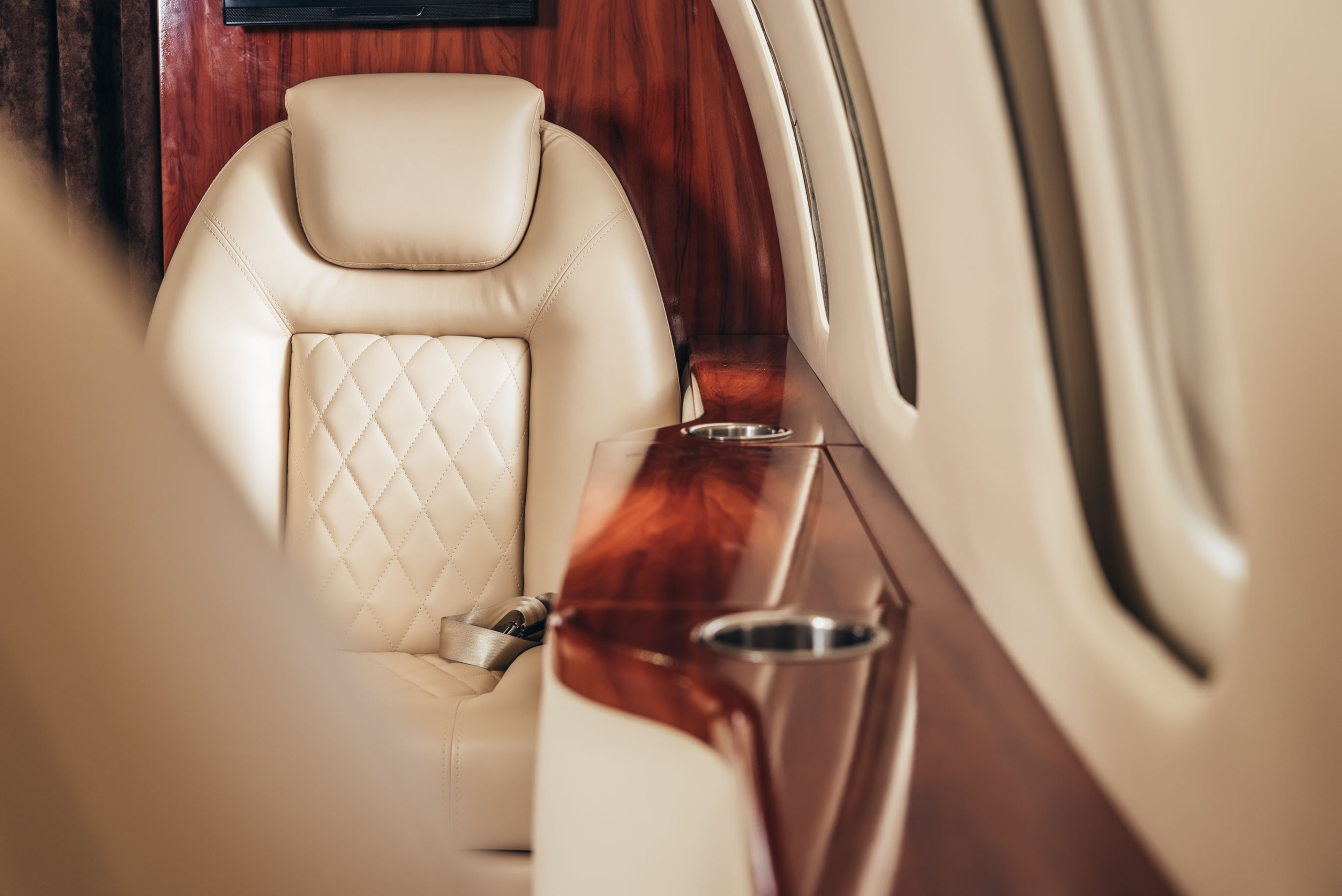
Charter pricing is dynamic. Several factors shape what a given flight will cost, and understanding them helps set realistic expectations before you request a quote.
Aircraft category
Private jets are generally grouped into four categories: turboprops, light jets, midsize jets, super-mid size jets and large cabin or heavy jets. Each step up in category brings more range, more cabin space, and higher cost. The right aircraft for your trip depends on the number of passengers, the distance, and your preferences for the cabin experience.
Route and repositioning
Charter pricing accounts for both the flight you’re taking and the logistics of getting the aircraft to your departure airport. If an aircraft is already positioned nearby, costs are lower. If it needs to reposition from a distance, that leg factors into the quote. One-way trips often cost more per segment than round trips for this reason.
One-way trips sometimes lead clients to ask about empty legs — we cover how empty legs work and when they make sense in a separate post.
Peak demand periods
Pricing fluctuates based on demand. Major sporting events, holidays, and high-traffic travel periods all affect aircraft availability and cost. Booking further in advance during these windows gives you more options and more pricing leverage.
Fees and taxes
A complete charter quote should include federal excise tax, segment fees, fuel surcharges, landing fees, and any applicable FBO handling charges. Ask for a fully loaded price upfront so there are no surprises. A professional broker will always provide this.
Choose the Right Aircraft for Your Trip

One of the most common mistakes first-time charter clients make is either over-specifying or under-specifying the aircraft. Both create problems.
A turboprop or light jet is well-suited for shorter regional trips with two to four passengers. A super-midsize jet handles transcontinental segments comfortably and accommodates up to seven or eight passengers. A heavy jet is appropriate for long-range international travel or larger groups that require full stand-up cabin height and extended range.
The goal is to match the aircraft to the actual requirements of the trip. Booking a large-cabin jet for a one-hour hop with two passengers is an unnecessary expense. Booking a light jet for a six-hour over-water international flight creates a range and comfort problem. A good broker will guide you toward the appropriate category based on your specific itinerary and help you understand the tradeoffs across options.
Select Your Departure Airport
Private jets have access to roughly 5,000 public-use airports across the United States. Commercial airlines serve fewer than 500.
This means you can often depart from a smaller, closer airport and arrive at one that is nearer your actual destination, skipping the major international airport and hub entirely.
If you live in a metro area with multiple airport options, the right choice for a charter departure may be different from the airport you use for commercial travel. FBOs at smaller general aviation airports offer dedicated terminals, no security lines, direct ramp access, and departure in minutes. Your broker can advise on which airport makes the most sense for your specific origin and destination.
What the Booking Process Actually Looks Like
Once you have a sense of your itinerary, the process of booking a charter flight moves quickly.
You’ll provide your departure airport, destination, travel dates, number of passengers, and any specific preferences for the aircraft or cabin. A broker will come back with aircraft options, pricing, and relevant details about each operator. For straightforward domestic trips, this turnaround is often same-day.
Once you select an aircraft, you’ll receive a charter agreement to review and sign. It will outline the terms of the flight, the cancellation policy, and any provisions for aircraft substitution. This is also the right moment to ask questions about the operator, the crew, and what happens if circumstances require a change to the aircraft or schedule.
Payment is typically collected at or just after booking. Most brokers accept wire transfer and major credit cards.
What to Expect on the Day of Your Flight
Arrival at a private terminal is a different experience from a commercial airport.
Most FBOs ask passengers to arrive 15 to 30 minutes before departure rather than hours in advance. You’ll park near the terminal, check in at the front desk, and be escorted directly to the aircraft when the crew is ready. Catering, if ordered in advance, will already be on board.
Departure happens on your schedule. If you’re running a few minutes behind, the aircraft waits. If you need to adjust your departure window the evening before, your broker handles the coordination.
This flexibility is one of the core reasons people who fly private rarely want to go back to commercial travel. For business travelers in particular, the ability to depart and arrive on a precise schedule changes how a full day can be structured.
The crew operates under strict FAA duty time and rest regulations. Treat them professionally. They are highly trained aviation professionals managing a complex operation on your behalf.
For a closer look at what goes into every flight before you board, read our piece on what clients don’t see behind the scenes.
A Note on Working With a Broker
The private aviation market includes a wide range of brokers, from large technology-driven platforms to smaller boutique advisory firms. The right choice depends on what kind of experience and support you’re looking for.
What a good broker brings to a first-time charter client is market knowledge, operator relationships, and the judgment to recommend the right solution rather than simply the cheapest one. It’s also accountability: one point of contact who is reachable before, during, and after the flight, and who can manage disruptions and solve problems if they arise.
Private jet travel is not a commodity purchase. The difference between a well-sourced charter and a poorly sourced one is rarely visible until something goes wrong. A broker who prioritizes your experience over a quick transaction is worth finding before you need them.
The Short Version
Chartering a private jet for the first time is less complicated than it appears. Know your itinerary, ask for a fully loaded quote, match the aircraft to the trip, and work with a broker who will explain the process rather than rush you through it.
The experience on the other side of that process is genuinely different from anything commercial air travel offers. Most first-time clients book again within the year. The process is that straightforward, and the experience is that different.
If you’re planning your first charter flight and want to understand your options, we’re available to walk through the details. Reach us at soarjets.com or call 1 (844) 966-SOAR.
